
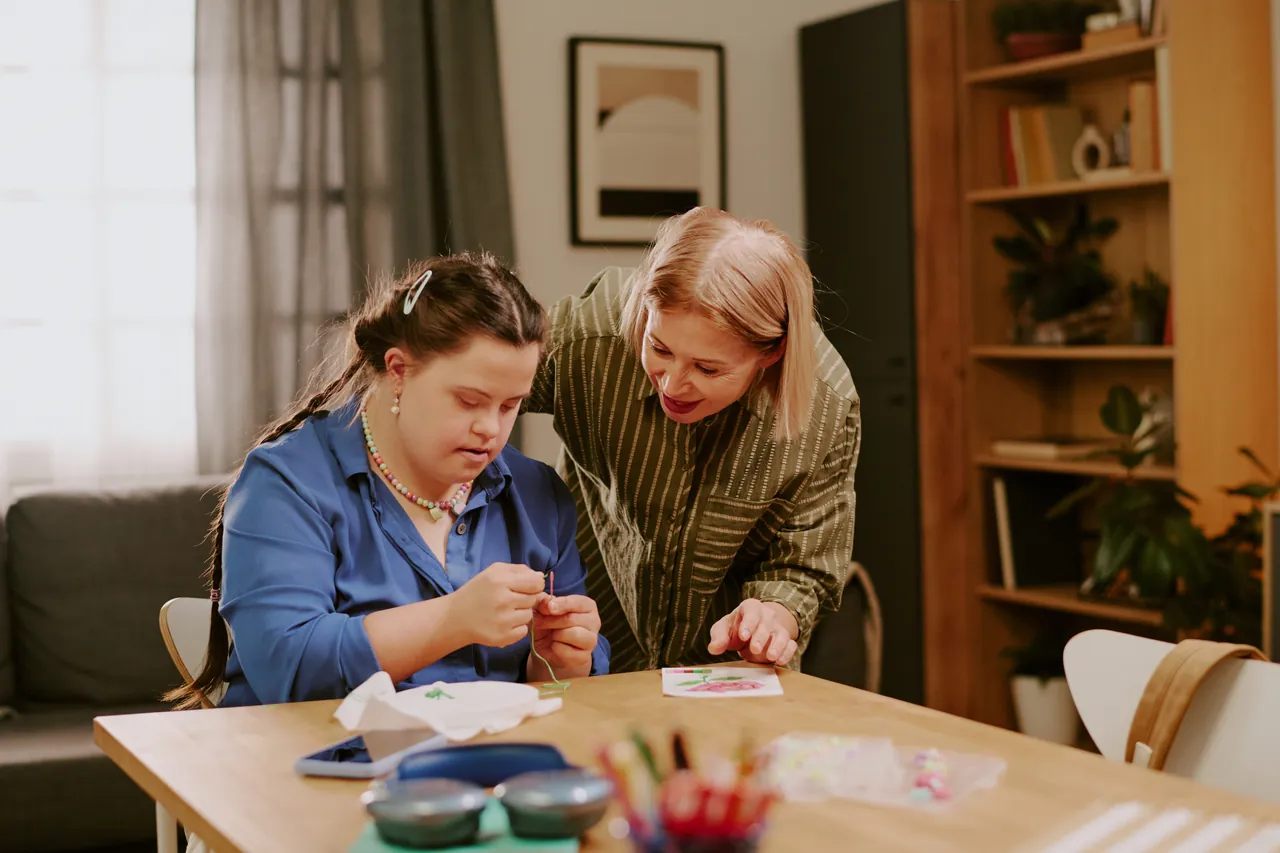
Holistic and person-led
Support is tailored to each person's needs, preferences, circumstances, strengths, and aspirations.
Bright Life Supported Living has been built around CQC fundamental standards, continuous improvement, values-based recruitment, and support that promotes dignity, choice, independence, and meaningful outcomes.
The service is designed to provide wrap-around support that is specific to each person, helping people feel empowered and supported through each step of their journey. For some, that may mean 24-hour supported living. For others, it may mean floating support, temporary accommodation, or progression towards a more independent home.
Bright Life Supported Living has been shaped by a belief that care should feel personal, organised, and genuinely empowering. The service brings together clinical awareness, strong governance, and a warm supported living ethos so people can build confidence at home and in their community.
“We believe every person should be supported to live with dignity, choice, privacy, independence, and a clear sense of belonging in their own community.”
Bright Life Supported Living's Statement of Purpose sets out values that shape how the team works with people, families, commissioners, and professionals.
Support is tailored to each person's needs, preferences, circumstances, strengths, and aspirations.
People are treated with kindness, fairness, privacy, and respect, with personal information handled securely.
The service is built around dependable relationships, community inclusion, and support that people can feel safe relying on.
The Statement of Purpose describes a service designed around governance, quality assurance, safeguarding, and honest feedback.
Policies, records, audits, and evidence are mapped to the CQC key questions: safe, effective, caring, responsive, and well-led.
Staff complete values-based recruitment, induction, mandatory training, supervision, reflective practice, and role-specific development.
Monthly audits, care plan reviews, medication checks, incident review, safeguarding meetings, and feedback all inform service improvement.
Send the basic referral details and the team can advise on the next step, the information needed, and whether the service is likely to match the person's assessed needs and goals.